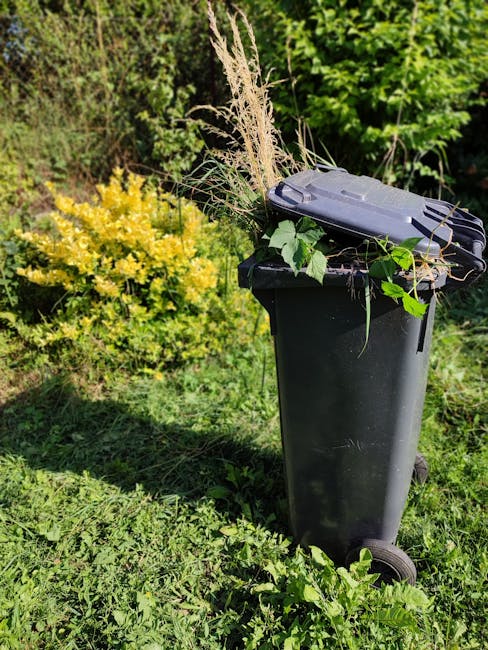
Avoid common problems with garden rubbish removal in Potters Bar
Garden waste has a habit of piling up quietly. One weekend it is a few hedge cuttings and a broken plant pot, and the next thing you know there is a small mountain of branches, turf, soil, old fencing, and that rusty barbecue you keep meaning to deal with. If you are trying to avoid common problems with garden rubbish removal in Potters Bar, the real challenge is not just getting rid of the mess. It is doing it cleanly, safely, and without extra stress.
That matters more than people often think. A rushed clear-up can lead to blocked driveways, damaged paving, missed collections, contamination in your waste, or the classic "we thought someone else was handling it" situation. Truth be told, garden rubbish removal is one of those jobs that looks simple until it suddenly isn't. This guide walks through the mistakes people make, how the process usually works, what to check before you book, and how to get a smoother result in Potters Bar.
For readers comparing services, it can also help to understand the wider picture of waste handling. You may find it useful to look at garden clearance services alongside broader options such as general waste removal or, if your project includes indoor spaces too, home clearance. Small detail, but it often saves time later.
Table of Contents
- Why this matters in Potters Bar
- How the process works
- Key benefits and practical advantages
- Who this is for and when it makes sense
- Step-by-step guidance
- Expert tips for better results
- Common mistakes to avoid
- Tools, resources and recommendations
- Law, compliance, standards and best practice
- Options, methods, and comparison table
- Case study or real-world example
- Practical checklist
- Conclusion
- Frequently asked questions
Why Avoid common problems with garden rubbish removal in Potters Bar Matters
Garden rubbish removal sounds straightforward until the practical issues start stacking up. Wet soil is heavy. Thorny cuttings are awkward. Old sleepers can be surprisingly bulky. And if your waste mixes in with general rubbish, the job can become harder to sort, more expensive to move, and less environmentally tidy than it should be.
In Potters Bar, many gardens sit behind narrow side passages, shared access routes, or carefully kept paving. That means a careless clearance can leave mud on the path, scratched gates, or broken edging. Nobody wants that. You want the garden cleared, not half the garden dragged through the house like a muddy parade.
It also matters because garden waste is not all the same. Green waste, timber, soil, stone, metal, and old furniture usually need different handling. Mixing them together can slow everything down and make recycling harder. If you care about a clean result and a responsible one, planning properly is worth the effort.
And there is the simple comfort factor. A tidy garden feels lighter. You hear the birds more, see the shape of the space again, and suddenly the place looks usable rather than stuck in limbo. That shift is often the whole point.
How Avoid common problems with garden rubbish removal in Potters Bar Works
The process is usually easier when it is broken into stages. First, the waste is assessed. Then it is separated, loaded, transported, and sorted for disposal or recycling. The more clearly you prepare the job, the fewer surprises you are likely to get on the day.
For a typical garden clear-up, the main categories might include:
- hedge trimmings, grass cuttings, and leaves
- branches, logs, and tree prunings
- soil, turf, and small amounts of rubble
- old pots, planters, timber, and broken garden structures
- fencing, sheds, or dismantled outdoor furniture
The tricky bit is that people often lump all of that together and assume it is one tidy pile. It is not. Soil is heavy. Timber takes space. Green waste compresses well but can be very wet. A good plan groups the waste so it can be moved efficiently. That may sound obvious, but in practice it is where a lot of delays begin.
When a job includes more than garden waste, it may be worth considering whether other clearance services fit better too. For example, if a shed has been used like a storage cave for years, a garage clearance style approach can be more suitable. If the work is part of a bigger renovation, builders waste clearance may be the cleaner route. Different jobs, different handling. Simple, but easy to miss.
Key Benefits and Practical Advantages
Done well, garden rubbish removal is more than just "getting rid of stuff." It gives you a safer, more usable outdoor space and reduces the risk of local mess or improper disposal. That is the practical side. There is also the quieter benefit of not having the task hang over you for another month.
- Less clutter: piles of cuttings and old materials disappear in one go.
- Safer access: fewer trip hazards, sharp edges, and slippery patches.
- Better use of space: patios, lawns, and paths become usable again.
- Cleaner finish: a proper removal avoids the "half done" look.
- More responsible disposal: recyclable items can be separated more effectively.
There is a practical peace of mind in knowing the load has been handled properly, especially if you have not got the time or the vehicle space to do it yourself. Let's face it, not everyone wants to spend Saturday with a boot full of brambles and a tailgate that refuses to close.
For larger projects, a structured service can also reduce back-and-forth trips. That means less disruption, less fuel, and less chance of waste being left at the edge of the drive because the first load filled faster than expected.
Who This Is For and When It Makes Sense
This kind of service suits a wide mix of people. Homeowners clearing after a long season of growth. Landlords preparing a property for new tenants. Busy families who have accumulated broken garden items over time. Even older residents who simply do not want to wrestle with bags, branches, and soggy turf on their own.
It also makes sense after specific events:
- post-storm clean-ups
- garden redesigns or landscaping work
- tree and hedge pruning days
- fence replacement or shed removal
- moving house and tidying the outside space before handover
If your outdoor space has become a holding area for "we'll deal with that later" items, you are not alone. Old compost bins, cracked slabs, and a few mystery objects from the previous owner can make a garden feel busier than it actually is. A proper clearance brings it back under control.
This is also a good option for people who are comfortable doing the sorting but not the lifting. There is no shame in that. The back knows the truth before the mind does.
Step-by-Step Guidance
If you want a smoother experience, the best approach is to work methodically. Not fancy. Just methodical.
- Walk the garden and identify every waste type. Separate green waste, timber, metal, soil, rubble, and mixed rubbish. This first pass saves time later.
- Remove anything you want to keep. It sounds obvious, but garden jobs often swallow hand tools, ornaments, hose connectors, and half-finished DIY items.
- Check access routes. Measure gates, look for narrow paths, and note whether anything needs lifting over a fence or carried through the house.
- Decide what can be reused or recycled. Some timber, pots, and metal items may be suitable for separate handling. If in doubt, keep categories clear.
- Gather heavy or sharp items safely. Wear gloves, use sturdy bags, and do not overfill sacks with soil or broken masonry.
- Photograph larger loads if needed. A few quick images help avoid misunderstandings about volume or access.
- Book the right kind of removal. If the job includes mixed household items as well as outdoor waste, you may need something broader than garden-only clearance.
- Do a final sweep. Check for nails, glass, wire, and hidden debris. These are the bits that catch shoes and tyres later.
A small but useful habit: keep the clean materials apart from the dirty ones. A pile of dry branches is much easier to handle than branches stuck together with wet soil and old plastic. That one change can make the whole job feel lighter.
Expert Tips for Better Results
Some of the best results come from a few quiet habits rather than big gestures. In our experience, these are the things that keep a garden clearance from turning messy.
- Do the sorting before the collection day. If everything is in one heap, the day starts slowly.
- Keep pathways clear. Even a tidy job becomes awkward if there is nowhere to carry waste through.
- Protect surfaces. Old sheets, boards, or temporary coverings can help on wet days.
- Ask how mixed loads are handled. Not all waste should be treated the same, and responsible sorting matters.
- Watch the weather. A dry morning is a very different job from a soaking afternoon in November.
- Be realistic about volume. Garden waste always looks smaller in a corner than it does once loaded. Always.
One of the more underrated tips is to group waste by size as well as type. Long branches, small cuttings, and compact items all move differently. It is a tiny thing, but tiny things are exactly what cause a ten-minute job to become a slow, annoying one.
If you are comparing service providers, it can also help to read about company standards such as health and safety commitments, insurance and safety, and recycling and sustainability. These pages do not remove the garden rubbish for you, of course, but they do tell you a lot about how the work is approached.
Common Mistakes to Avoid
This is where most of the headaches happen. Some are small. Some become costly. A few are just plain annoying.
- Mixing everything together. Green waste, soil, timber, and general rubbish are easier to manage when separated.
- Underestimating weight. Wet soil and rubble are much heavier than they look.
- Ignoring access issues. A narrow gate or steep steps can change the whole collection plan.
- Leaving sharp items hidden in bags. Broken glass, nails, and wire should be checked carefully.
- Forgetting about damp waste. Wet cuttings smell worse and weigh more, especially if left for days.
- Assuming all outdoor items are recyclable in the same way. Not quite. Sorting matters.
- Booking too late. If the garden work is time-sensitive, delays can leave materials exposed to rain or pests.
There is also a people problem. Someone often assumes someone else has measured the access or checked what is being taken. Then collection day arrives, and everyone is standing around saying, "I thought you had that." Not ideal. A quick run-through beforehand avoids the awkward part.
One more thing: do not hide extra waste in the hope it will "just go with the rest." It usually does not end well. Better to be upfront from the start.
Tools, Resources and Recommendations
You do not need a van full of equipment to prepare garden waste properly, but a few basics help a lot. The best tools are often the simplest.
- Heavy-duty garden sacks for cuttings and lighter waste
- Gloves with a decent grip for brambles, splinters, and rough edges
- A rake and broom to pull debris into manageable piles
- Wheelbarrow or sturdy tub for moving heavier material short distances
- Tarpaulin to keep materials together and protect paths
- Basic hand tools for dismantling planters, fencing, or soft timber items
For services, it is usually sensible to look at the specific scope of work rather than the headline promise alone. If your job is mostly garden waste, choose a provider that handles that kind of load properly. If it includes household clutter as well, you may be better off comparing with house clearance or furniture clearance depending on what is actually in the mix.
And if you need a clearer idea of likely costs before committing, the pricing and quotes information can help frame the decision. That way you are not guessing, which is always a relief.
Law, Compliance, Standards, or Best Practice
For garden rubbish removal in the UK, the safest approach is to assume you remain responsible for your waste until it is properly transferred to a legitimate carrier or disposal route. That is the plain-English version. It means you should be careful who handles it and ask sensible questions if anything feels vague.
Best practice usually includes:
- using a responsible waste carrier
- keeping recyclable and non-recyclable waste as separate as practical
- avoiding fly-tipping or informal dumping arrangements
- keeping records or confirmation where appropriate for bigger jobs
- making sure the load is safe to transport and not overloaded
If you are arranging clearance as part of a larger property project, it can help to review the company's service terms. That is where detail about scope, scheduling, payment, and responsibility is often clearer. A proper read-through is not exciting, admittedly, but it is a lot more pleasant than a misunderstanding later.
For commercial premises, gardens, frontages, or shared outdoor areas, business-related waste handling may fall under a different process entirely. In that case, business waste removal can be the more relevant route.
Options, Methods, or Comparison Table
There is more than one way to clear garden rubbish. The right method depends on the size of the load, the time available, and how much lifting you want to do yourself.
| Method | Best for | Pros | Drawbacks |
|---|---|---|---|
| DIY trips to a disposal site | Small, manageable loads | Flexible timing; direct control | Time-consuming; vehicle space; heavy lifting; multiple journeys |
| Skip hire | Ongoing works with lots of waste | Large capacity; convenient for major clear-outs | Needs space; can sit on the driveway; not ideal for mixed light loads |
| Man and van style collection | Mixed garden waste and bulky items | Quick loading; less manual transport; often more flexible | Needs accurate description of volume and access |
For many Potters Bar households, the third option is the sweet spot because it balances convenience with speed. But it is not automatic. If the job is heavily soil-based or part of a landscaping overhaul, skip hire may be the better fit. If it is just a few bags and branches, DIY can still make sense. The key is matching the method to the mess, not the other way round.
Case Study or Real-World Example
A typical job might start with a small front garden and a back patio that have both been used as storage zones. There is a broken trellis, some hedge trimmings, two sacks of soil, a cracked planter, and a pile of old decking offcuts tucked behind the shed. Nothing dramatic. But it is enough to make the space feel clogged.
The first attempt usually goes like this: everything gets piled together because it looks faster. Then the heavy parts sink to the bottom, the bags split a little, and the branches snag on the fence. A collection that should have been tidy becomes awkward very quickly. Very quickly.
A better approach is to sort as you go. Green waste in one pile. Timber in another. Soil and rubble in a separate container. Loose metal and sharp debris checked last. Once that is done, the loading phase becomes much smoother. The whole garden feels more manageable, and the final sweep takes minutes rather than half an hour of muttering.
That is usually the point where people say, slightly surprised, "Oh, it actually looks like a garden again." And honestly, that reaction never gets old.
Practical Checklist
Use this before collection day or before you start clearing everything yourself.
- Have I separated green waste from general rubbish?
- Are soil, rubble, and stones kept apart from lighter materials?
- Have I checked gate width, steps, and access routes?
- Have I removed any items I want to keep?
- Are there nails, glass, or sharp edges in the load?
- Is anything wet enough to make the bags fail?
- Do I know whether any furniture, fencing, or shed parts are included?
- Have I confirmed the collection scope and timing?
- Have I checked whether the waste should be moved through the house or via the side access?
- Is there a clear plan for recycling or responsible disposal?
That list is not glamorous. It is useful though, which is better.
Conclusion
The best way to avoid common problems with garden rubbish removal in Potters Bar is to treat the job like a small project, not a quick dump-and-run task. Sort the waste, check the access, be realistic about weight and volume, and choose the right method for the materials you actually have. That is where the smooth jobs come from.
Whether you are clearing after a big prune, tidying a neglected border, or finally dealing with the awkward pile behind the shed, a little planning goes a long way. You end up with a cleaner garden, less stress, and a result that feels finished rather than half-finished. And that matters. It really does.
Get a free quote today and see how much you can save.
If you want a clearer next step, start by comparing your waste type with the right service and reviewing the practical information on garden clearance. A tidy outdoor space is often closer than it looks, especially once the first pile is gone.
Frequently Asked Questions
What is the easiest way to avoid problems with garden rubbish removal?
The easiest way is to sort the waste before collection day. Keep green waste, soil, timber, and general rubbish separate, and check access routes in advance. That simple bit of preparation prevents most delays and awkward surprises.
Can garden waste and household rubbish go together?
Sometimes they can, but it depends on the materials and how they are handled. Mixed loads are often possible, yet it is better to keep categories clear so the waste can be managed properly and more efficiently.
Do I need to break down old fencing or shed parts first?
If you can safely dismantle them, it often helps. Smaller pieces are easier to carry and load. But do not force it if the wood is rotten, nailed together awkwardly, or likely to cause injury. Safety first, obvious but worth saying.
How do I deal with heavy soil or turf?
Use smaller containers or sacks rather than overfilling one large bag. Soil and turf are deceptively heavy, especially when wet. Keeping the weight manageable makes loading and transport much safer.
What should I do with thorny branches and sharp debris?
Wear gloves, bundle branches carefully, and keep sharp items separate where possible. Broken glass, wire, and nails need extra care because they can easily puncture bags or cause injury during lifting.
Is it better to book a garden clearance or a general waste removal service?
If the job is mainly outdoor waste, a garden-focused service is usually the cleaner fit. If the clearance includes mixed household clutter, a broader service may be more practical. It depends on what is actually in the pile.
How far in advance should I plan the clearance?
For a small job, a short lead time may be fine. For larger clear-outs or work that depends on good weather, planning a little earlier is smart. That gives you time to sort the load and avoid rushing.
Can I put garden waste into normal bins?
Some small amounts may fit, but large volumes usually will not. Garden rubbish tends to be bulky or heavy, so regular household bins are rarely enough for anything beyond minor trimmings.
What if my garden access is very narrow?
Measure it and mention it upfront. Narrow side passages, steep steps, or tight gates can change how the job is carried out. The more accurately you describe access, the smoother the collection will be.
Is there anything I should check before choosing a clearance provider?
Yes. Ask how they handle different waste types, whether they have clear safety practices, and how they approach recycling. If you are comparing options, the company's pages on insurance and safety and recycling and sustainability are sensible places to start.
What happens if I leave garden waste out too long?
Wet waste can smell, attract pests, and become harder to handle. Dry waste can blow around and make a mess. Either way, leaving it sitting too long usually creates more work later. Best not to let it linger.
Who is garden rubbish removal best suited to?
Homeowners, landlords, tenants, and anyone dealing with seasonal garden growth or outdoor renovation waste. It is especially useful if you do not have the vehicle space, time, or strength for repeated trips.
Can garden rubbish removal help before selling a property?
Yes, very much so. A tidy garden improves first impressions and makes the whole property feel better cared for. Even a modest clearance can make a front or back garden look much more inviting.